
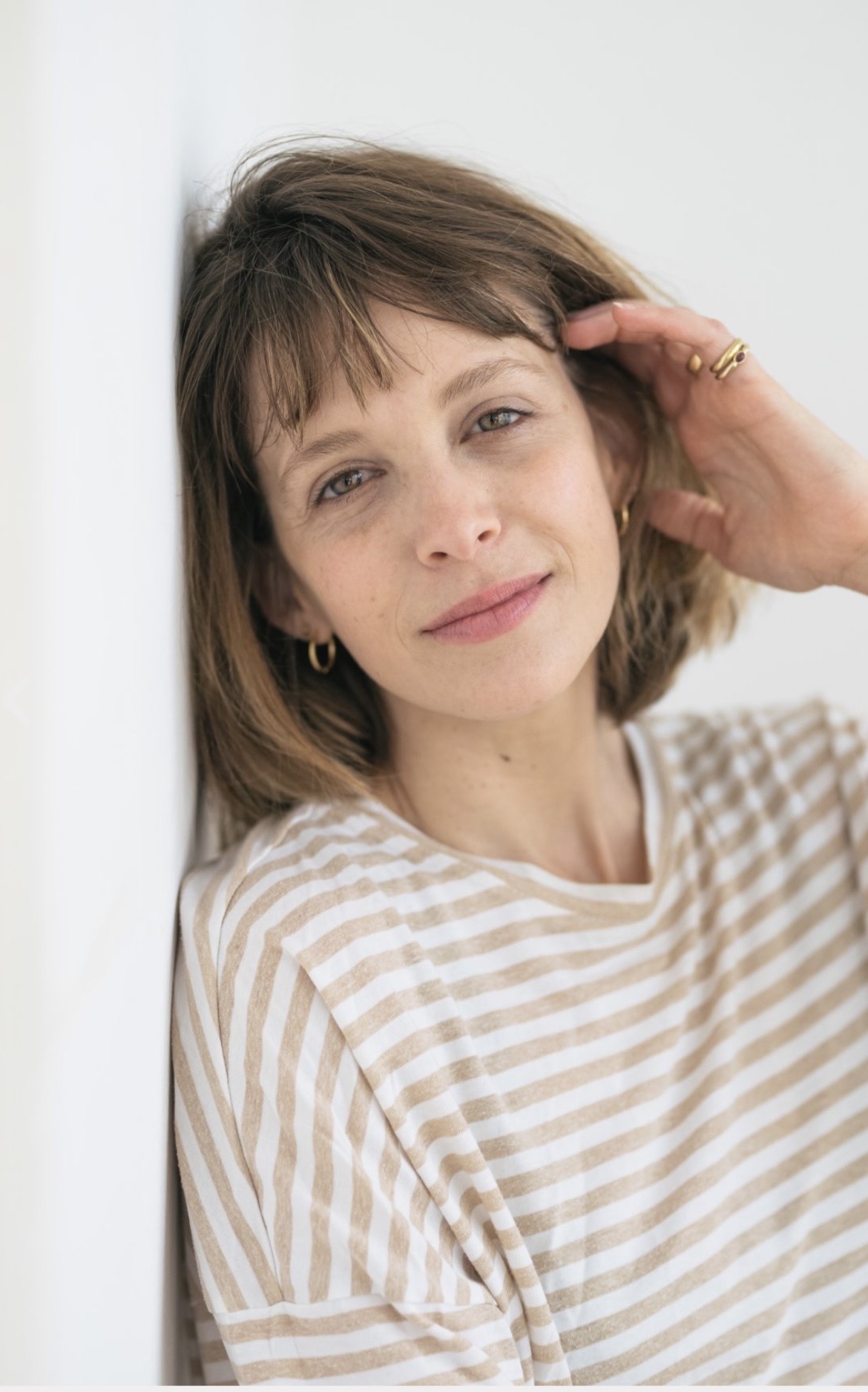
For so long, she lived with the fear of losing those she loved. In the fifth season of FAUDA, it is her own fate that leaves us shaken.
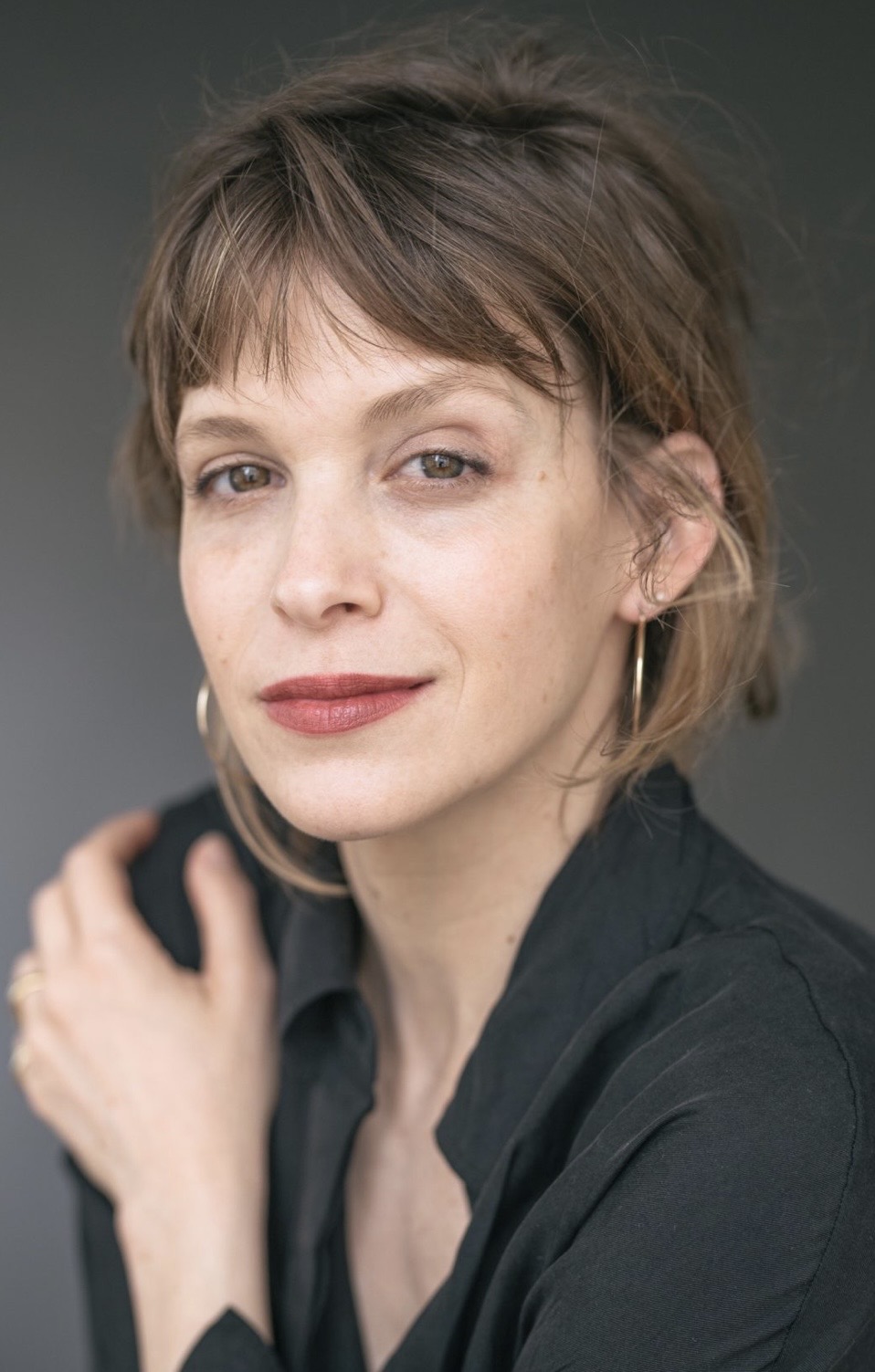
She is beautiful. Her radiant smile has lit up FAUDA since season three. Dafi Shoshana Alpern plays Hagit, the wife of Avihai, the unit’s sniper. After her husband’s death, Hagit must face her grief and try to rebuild her life with Eli, played by Yaakov Zada-Daniel.
In a series driven by missions and danger, Hagit shows us what families experience: the waiting, the fear and, eventually, the need to carry on. Season five places her at the centre of a story connected to the events of 7 October. Dafi Shoshana Alpern portrays a mother trying to protect and reassure her children in terrifying circumstances.
For Cinerama Boulevard, she reflects on the three seasons she has spent with Hagit, her work with Yaakov Zada Daniel and what this role has demanded of her. She also looks ahead to the characters and creative projects she would now like to explore.
Avi Issacharoff called me to tell me what they had planned for Hagit that season, and my immediate reaction was very physical. I felt nauseous and overwhelmed, and I honestly didn’t really know what to say. It was less than a year after 7 October, and I also wasn’t allowed to tell anyone about it.
When you first discovered Hagit in the third season of FAuDA, did you ever imagine that her journey would become so long, intense and ultimately tragic?
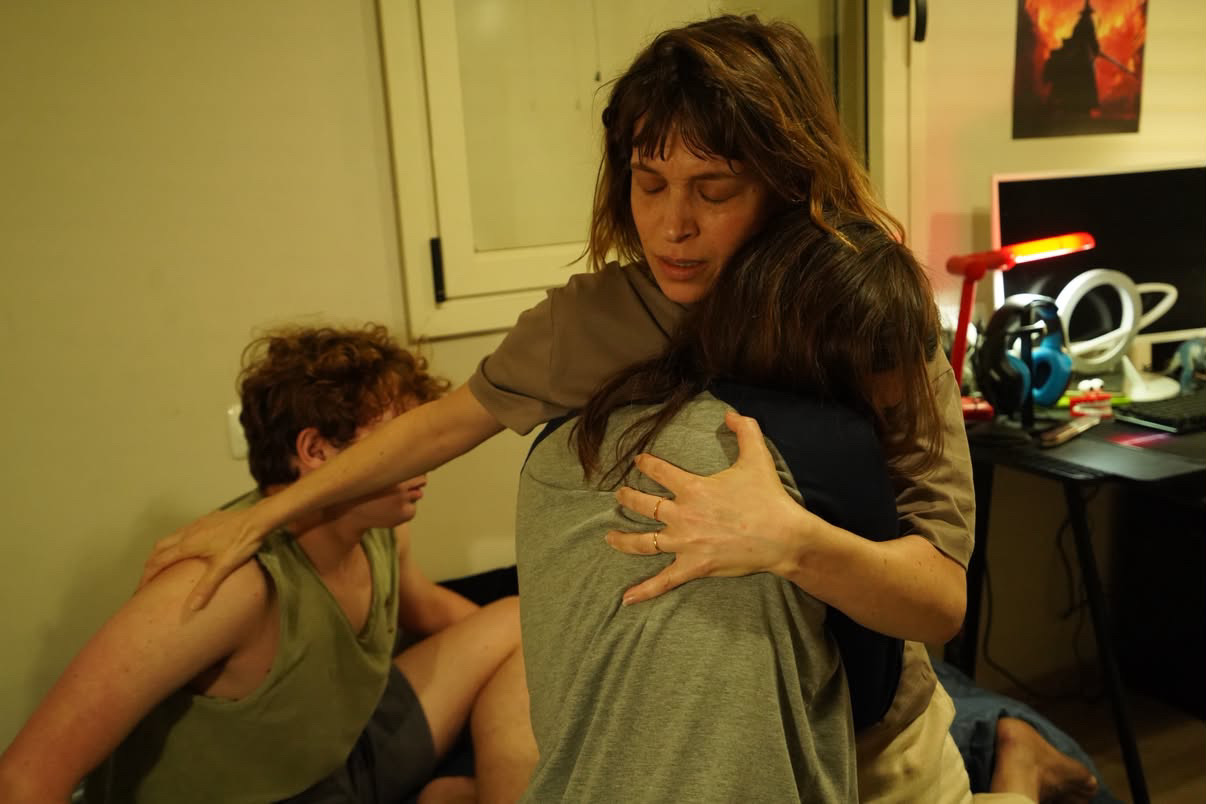
I could never have imagined a reality like this in my own country. I never imagined 7 October, not even in my darkest nightmares, so of course I could never have imagined Hagit ending up in such a tragic situation.
At the same time, her story could easily have ended with Avihai after season three. The creators chose to keep her in the story through seasons four and five, and I’m really grateful for that. I feel very lucky that I got to stay with this character for so long and see where her journey took her.
Yaakov and I already knew each other before we had to play a couple, so it was actually very easy to find that closeness.
Hagit and Eli are both deeply marked by loss and everything they have endured. How did you and Yaakov Zada Daniel build the relationship between these two characters, and how would you describe your on-screen connection?
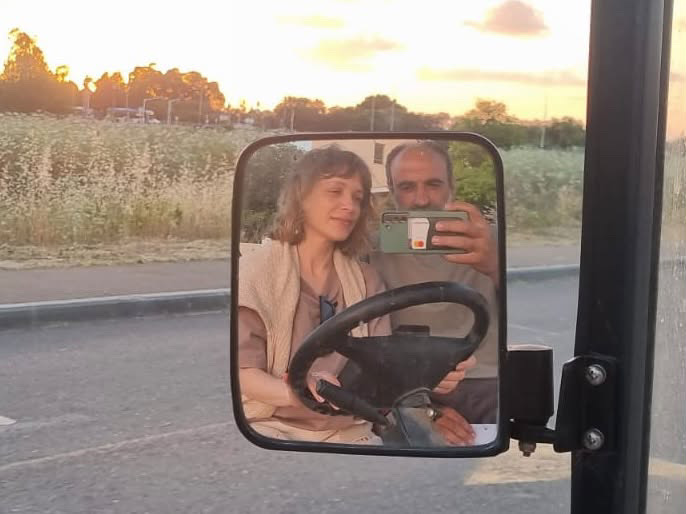
Yaakov and I already knew each other before we had to play a couple, so it was actually very easy to find that closeness. Before shooting season four, we met at my house to talk about the relationship and try to understand how that connection could have developed after Avihai’s death, since that part of the story happened off-screen.
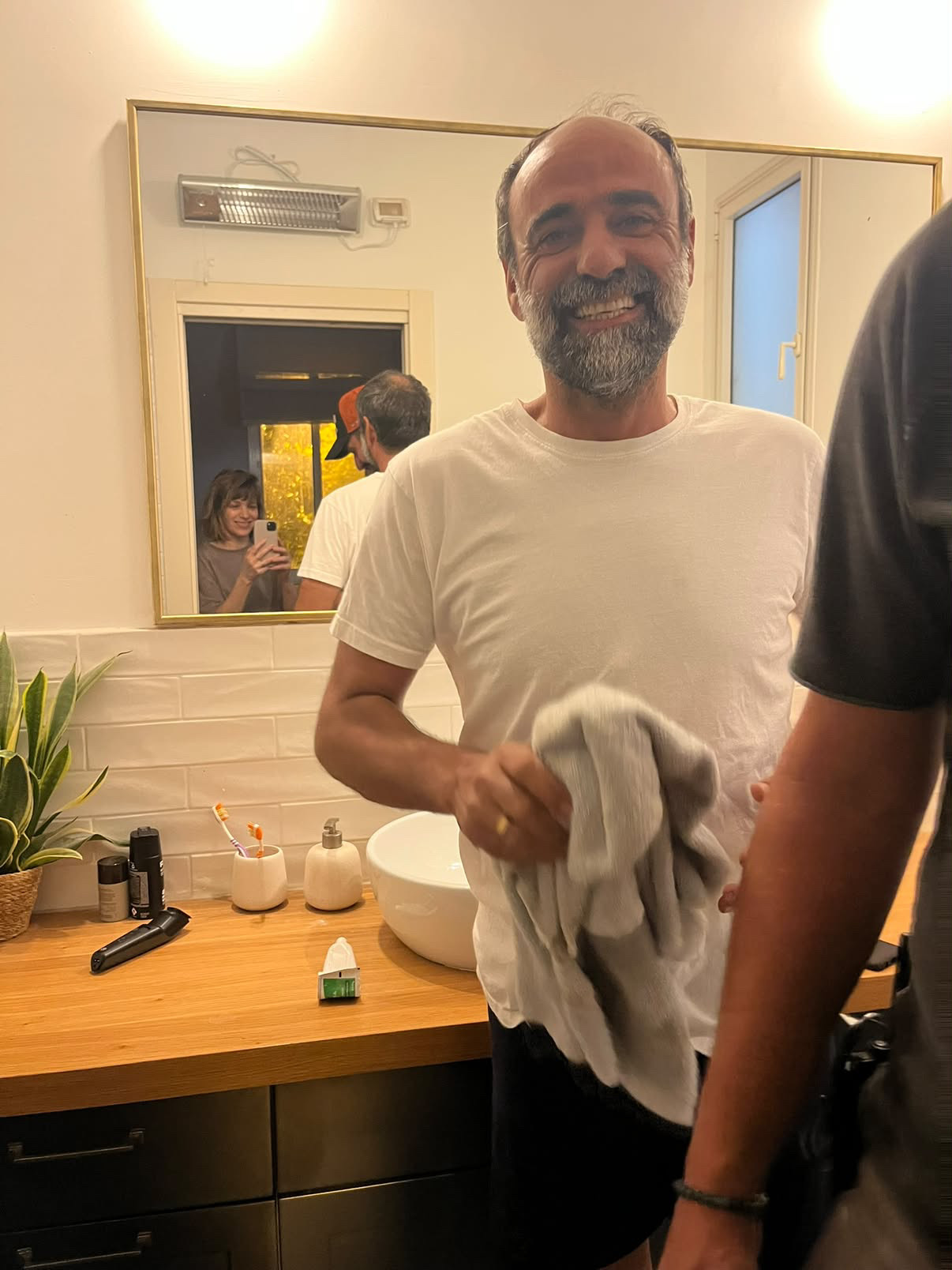
It felt very natural to play his partner. I think we both felt very comfortable with each other, and there was never any awkwardness around it. There’s a lot of trust and mutual respect between us, but mostly a lot of humour. Yaakov is a very funny person, and I’m not bad either.
What went through your mind when you discovered what the writers had planned for Hagit in the fifth season?
Avi Issacharoff called me to tell me what they had planned for Hagit that season, and my immediate reaction was very physical. I felt nauseous and overwhelmed, and I honestly didn’t really know what to say. It was less than a year after 7 October, and I also wasn’t allowed to tell anyone about it.
I remember that after the call, I lay down on my bed, and alongside that heaviness I started to feel a real sense of excitement. I understood that this was going to be something big, something with a lot of meaning, and I felt an enormous sense of responsibility.
At that point, all I could do was hope we would do it well, that it would work and, most of all, that we wouldn’t hurt anyone in the process.
How does an actress prepare to portray a story inspired by such a recent and real trauma? How did you find the right balance between the need to bear witness and the risk of turning suffering into spectacle?
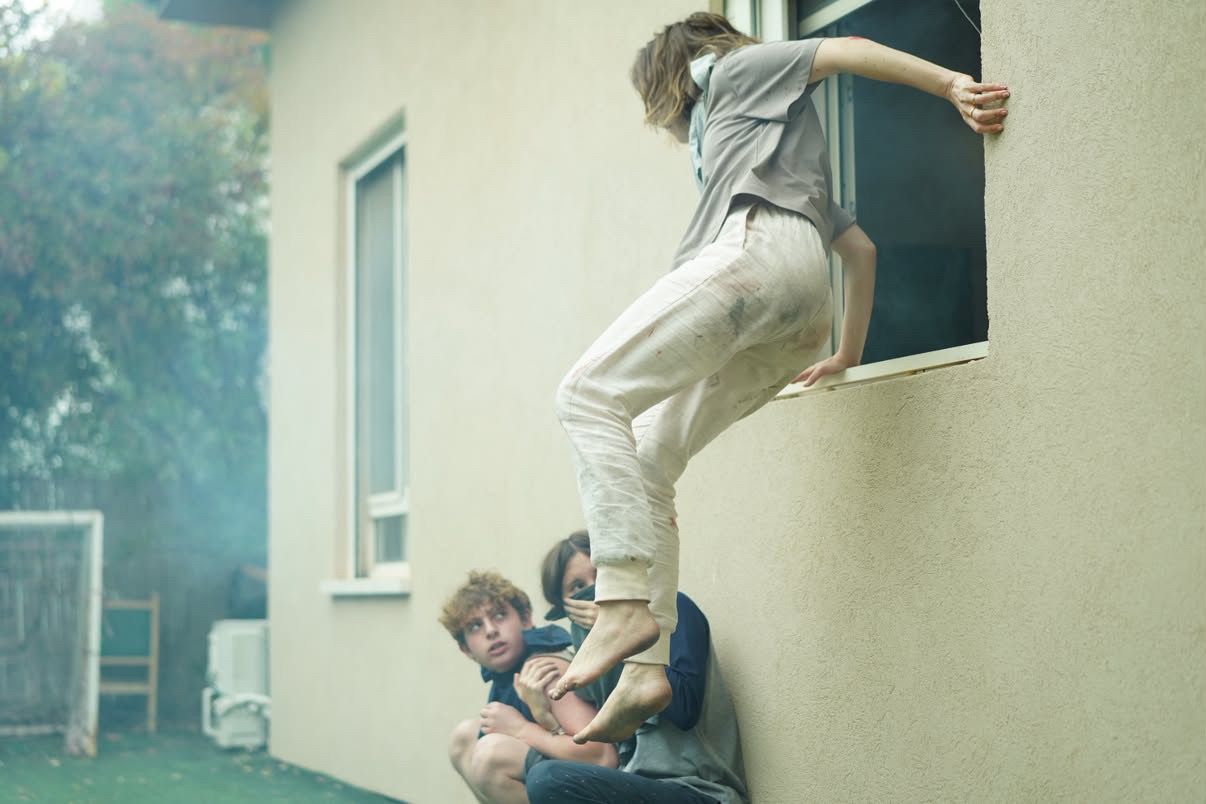
It’s almost impossible to really prepare for something like this. I didn’t speak to anyone who had actually been there, because I felt that as an Israeli, even though I thankfully didn’t experience it myself, I could still understand the reality enough to enter that situation emotionally.
What was important to me was not to play Hagit as a victim. I wanted her to be doing everything she could to save her children and herself.
The other thing I kept thinking about was the mindset of 6 October. No Israeli imagined that something like this could happen. Hagit is constantly waiting for someone to come in and save her the army, the police, anyone. And she also has no idea that her entire kibbutz is going through the same thing. So, for me, it was important to hold on to that hope all the time.
As for keeping it truthful and respectful, I simply tried to enter the situation as honestly and authentically as I could, without trying to make it more dramatic than it already was.
In these episodes, Hagit is first and foremost a mother trying to protect and reassure her children. What did you want to convey through her fear, strength and courage?
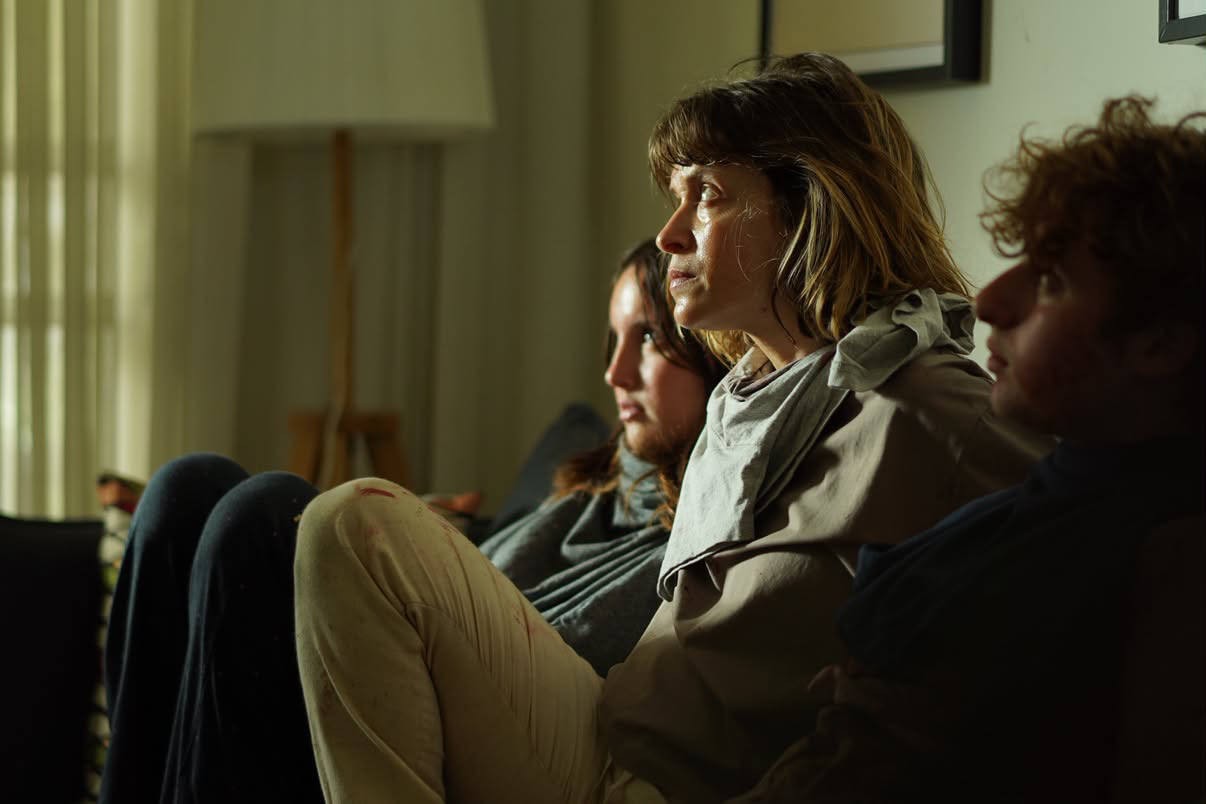
I’m not sure I was consciously trying to “show” a mother protecting her children. It was more about connecting to my own maternal instincts that very basic need to protect your children at any cost, to keep them safe and to do everything you can to prevent them from suffering.
That was the place I tried to act from. Not from an idea of being strong or courageous, but from something much more instinctive.
After accompanying Hagit for three seasons, how did you experience the moment of saying goodbye to her? What would you like international audiences to understand from her story, and what will this character leave with you, both as an actress and as a woman?
Of course I’m sad to say goodbye to Hagit, and to FAuDA, but at the same time, I can’t imagine a more meaningful way to say goodbye to her. If this is what it meant for these episodes to have the impact they had around the world, then it was worth it.
In a way, Hagit became a voice for women who could no longer speak for themselves. Many of the women who were sexually assaulted on 7 October were brutally murdered afterwards, and none of the women who survived in Israel have spoken publicly about what happened to them, apart from released hostages.
I hope international audiences can understand, through the story of Eli, Hagit and the children, and through the other characters in FAuDA, something of what happened here on 7 October. And also understand that what they see in these episodes is not even a fraction of the horrors that took place that day.
After a role as intense as Hagit, I would honestly love to do some comedy. 🙂 And as a creator, I’m also developing a few documentary projects around similar themes, which I’m very interested in exploring.
Your career extends far beyond FAuDA: you have worked in theatre, cinema, musical theatre and voice acting, while also developing projects in content creation and storytelling. How have these different experiences shaped the actress you are today? After a role as intense as Hagit, what kinds of characters, projects or new creative horizons would you now like to explore?
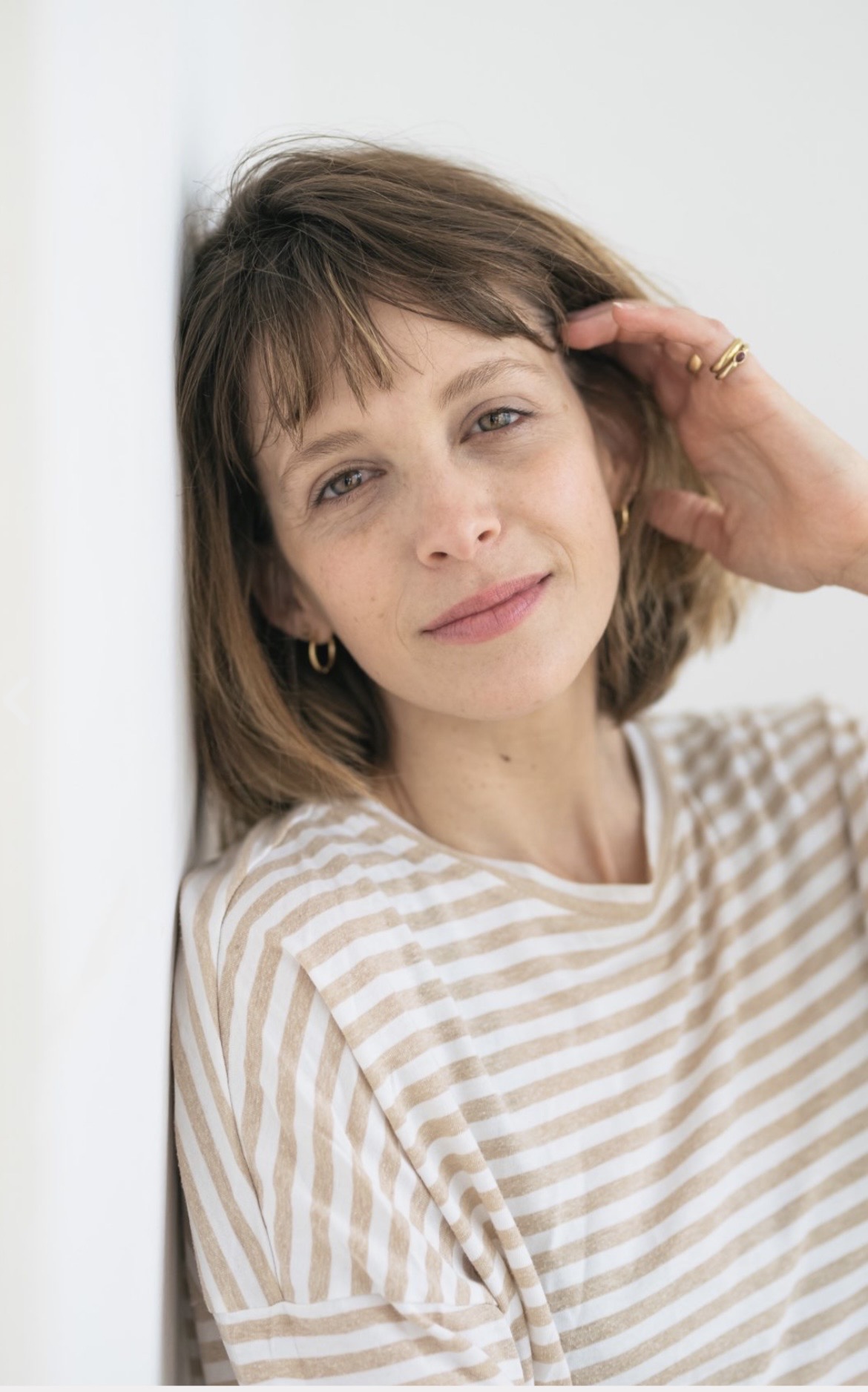
I think all the different things I’ve done theatre, film, voice work, content and storytelling have given me more tools to understand a story from different angles. I don’t really separate acting from the rest of my creative work. For me, it all comes back to people, characters and the way a story is told.
After a role as intense as Hagit, I would honestly love to do some comedy. 🙂 And as a creator, I’m also developing a few documentary projects around similar themes, which I’m very interested in exploring.
From her first appearance in FAUDA, Dafi Shoshana Alpern brought Hagit a light that was never simply the radiance of her smile. It could be found in her gentleness, in her resilience and in her ability to continue living after loss.
In the fifth season, as darkness closes in around Hagit, that light becomes more visible than ever. Not because the character is turned into a heroine, but because Dafi preserves her humanity at the very moment when everything threatens to erase it.
That is the power of her performance. It does not ask us to admire Hagit from a distance; it compels us to see her. Behind the violence, there is a woman. A mother. A life. And by refusing to allow horror to have the final word, Dafi gives Hagit her most enduring truth.
Hagit is leaving FAUDA. The light Dafi gave her is not. It belongs to the actress as much as to the character and it is the light that Cinerama Boulevard will continue to follow.
credits photos @refael.sha and Dafi Shoshana Alpern
Sandrine Aloa-Mani
